Clinical Metabolic Standard (ADA Guidelines)

Blood Sugar Calculator & HbA1c Converter (mg/dL & mmol/L)

Use our clinical blood sugar calculator and HbA1c converter to evaluate your fasting, postprandial, or random blood glucose levels according to the latest American Diabetes Association (ADA) standards. Toggle between mg/dL and mmol/L, determine your Estimated Average Glucose (eAG), and assess metabolic risk based on age and body weight.

Clinical Reference Standard: ADA Standards of Medical Care in Diabetes • Audience: Diagnostic Screening & Glycemic Education
Clinical Reference Standard: ADA 2026 Guidelines

Clinical Blood Sugar & HbA1c Risk Analyzer

Analyze your blood glucose levels, toggle between global units (mg/dL and mmol/L), calculate your Estimated Average Glucose (eAG), and project your 3-month HbA1c score.

Normal fasting range: 70–99 mg/dL
Leave blank to calculate projected HbA1c
Used for senior glycemic target adjustments
Evaluates insulin resistance / BMI factor
ADVERTISEMENT

Blood Sugar Levels Chart: Normal, Prediabetes & Diabetes (ADA Guidelines)

Blood sugar testing measures the concentration of glucose in the bloodstream. The American Diabetes Association (ADA) and World Health Organization (WHO) define diagnostic categories across three key states: Fasting (minimum 8 hours without caloric intake), Postprandial (2 hours following a meal), and HbA1c (glycated hemoglobin reflecting 90-day averages).

Diagnostic Category Fasting (mg/dL) Fasting (mmol/L) Post-Meal 2h (mg/dL) HbA1c Target
Hypoglycemia (Low) < 70 < 3.9 N/A N/A
Normal (Healthy) 70 – 99 3.9 – 5.5 < 140 < 5.7%
Prediabetes 100 – 125 5.6 – 6.9 140 – 199 5.7% – 6.4%
Type 2 Diabetes ≥ 126 ≥ 7.0 ≥ 200 ≥ 6.5%
Hyperglycemic Crisis (DKA/HHS) ≥ 250 – 300 ≥ 13.9 – 16.7 ≥ 300 Urgent Care

6 Evidence-Based Protocols to Lower Blood Sugar Naturally

Non-pharmacological interventions directly enhance insulin receptor sensitivity and downregulate hepatic gluconeogenesis. Integrate these clinical strategies:

1. The 15-Minute Post-Meal Walk

Light muscular contraction triggers GLUT4 transporter translocation in skeletal muscle independently of insulin, clearing circulating glucose from the bloodstream by up to 30% within 45 minutes.

2. Soluble Fiber Pre-Loading

Consuming 5–10g of viscous soluble fiber (chia seeds, psyllium husk, flaxseed, lentils) prior to carbohydrate meals forms a digestive gel matrix that delays enzymatic glucose absorption.

3. Eliminate Liquid Fructose

Liquid sugars bypass normal hepatic regulation, stimulating rapid de novo lipogenesis, hepatic steatosis, and profound hepatic insulin resistance. Prioritize pure water, black coffee, and green tea.

4. Magnesium & Micronutrient Optimization

Magnesium acts as an essential cofactor for tyrosine kinase enzyme activity within insulin receptors. Low serum magnesium is directly correlated with impaired glucose clearance.

5. Resistance & Hypertrophy Training

Skeletal muscle accounts for over 80% of whole-body insulin-stimulated glucose disposal. Increasing muscle mass enlarges your body’s safe metabolic reservoir for glycogen storage.

6. Sleep Hygiene & Cortisol Attenuation

A single night of partial sleep restriction (under 5 hours) induces acute cellular insulin resistance comparable to months of poor diet due to elevated early-morning cortisol and growth hormone surges.

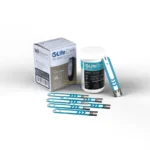
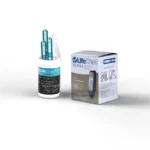
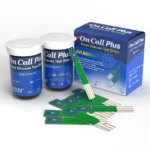
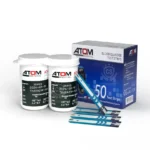
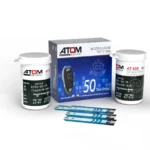
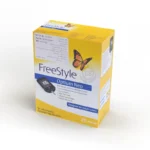
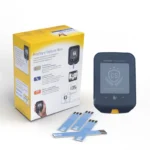
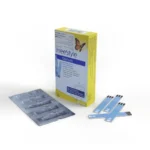
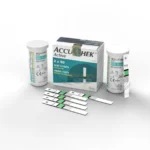
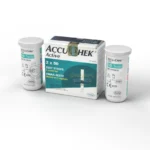
Clinically Certified Glucometers & Diagnostic Equipment

Pair your readings with ISO 15197 certified digital blood glucose monitors and sterile accessories.

ADVERTISEMENT

According to the American Diabetes Association (ADA), normal fasting blood sugar (after at least 8 hours of no food) is between 70 and 99 mg/dL (3.9 to 5.5 mmol/L). A reading of 100 to 125 mg/dL indicates prediabetes, while 126 mg/dL or higher on two separate tests diagnoses diabetes.

To convert mmol/L to mg/dL, multiply the value by 18.0182 (e.g., 5.0 mmol/L × 18 = 90 mg/dL). To convert mg/dL to mmol/L, divide the value by 18.0182 (e.g., 126 mg/dL ÷ 18 = 7.0 mmol/L).

A capillary blood sugar test measures the exact glucose circulating in your blood at that specific second. HbA1c measures the percentage of red blood cell hemoglobin coated with glucose, providing an accurate weighted average of your blood sugar control over the preceding 2 to 3 months (90 days).

Severe hypoglycemia (below 54 mg/dL / 3.0 mmol/L) requires urgent intervention with fast-acting sugar due to seizure or fainting risk. Severe hyperglycemia (above 300 mg/dL / 16.7 mmol/L) is a critical emergency requiring immediate medical care to prevent Diabetic Ketoacidosis (DKA) or Hyperosmolar Hyperglycemic State (HHS).

Medical Review & Institutional Disclaimer: This glycemic assessment tool and educational content are compiled in strict alignment with the American Diabetes Association (ADA) Standards of Care in Diabetes. All calculations, Estimated Average Glucose (eAG) metrics, and projected HbA1c conversions are intended for personal screening and educational purposes only. They do not constitute formal clinical diagnosis, glycemic prognosis, or emergency triage for conditions such as Diabetic Ketoacidosis (DKA) or severe hypoglycemia. Always consult a qualified physician or endocrinologist for clinical evaluation and personalized treatment plans.